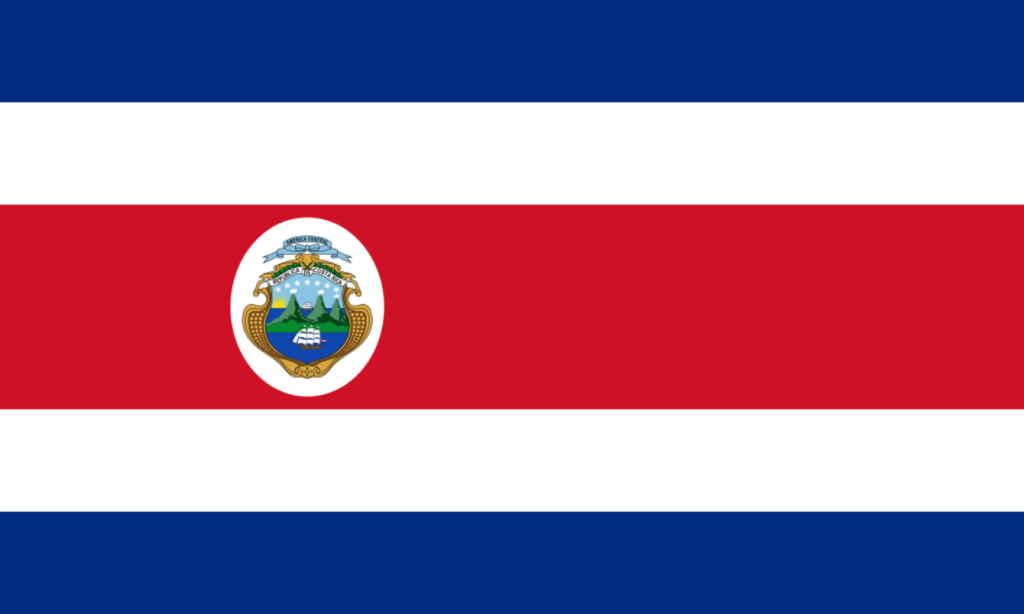
Annexation of the Party of Nicoya: Costa Rica’s Historic Public Holiday Celebrating National Unity
Historical Significance and Path to Annexation
The annexation of the Partido de Nicoya to Costa Rica on July 25, 1824, reshaped Central American borders and established the territorial foundation for modern Guanacaste province. This peaceful incorporation occurred through a local referendum during a period of regional instability following independence from Spain.
Origins of the Partido de Nicoya
The Partido de Nicoya was an administrative district during Spanish colonial rule. The territory stretched from the Nicaraguan border south to the tip of the Nicoya Peninsula. The name “Nicoya” comes from the Aztec Nahua language, named after a local indigenous leader called Nicoa.
During colonial times, the region maintained administrative ties to Nicaragua. The area developed its own distinct identity due to its geographic isolation and economic patterns. Cattle ranching and agriculture formed the economic base of the territory.
When Central America gained independence from Spain in 1821, the Partido de Nicoya faced uncertainty about its political future. The region’s residents had to decide which newly formed nation would govern them. Geographic and economic factors played important roles in this decision.
Decision and Referendum of July 25th, 1824
The people of Nicoya held a referendum on July 25, 1824, to determine their political future. Nicaragua was experiencing civil conflict at the time, which made stable governance difficult. The residents of Nicoya voted to join Costa Rica instead of remaining with Nicaragua.
Several factors influenced this decision:
- Stronger economic ties with the Costa Rican port of Puntarenas
- Costa Rica’s reputation for political stability
- Better prospects for education and infrastructure development
- Geographic connections to Costa Rican territory
The annexation was voluntary and peaceful. No military force or coercion was involved in the process. The decision demonstrated the power of local self-determination during the early years of Central American independence.
Role of Nicaragua and the Central American Context
Nicaragua’s civil unrest in 1824 created instability throughout its territories. The conflict made it difficult for Nicaragua to provide effective governance to outlying regions like the Partido de Nicoya. This instability pushed residents to seek alternatives.
Central America was fragmented after independence. The former Spanish territories struggled to form stable governments. Different regions had to choose their alignments based on practical considerations rather than historical ties.
Nicaragua eventually accepted the loss of the Partido de Nicoya. The peaceful nature of the transfer prevented armed conflict between the two nations. This acceptance helped maintain regional stability during a turbulent period.
Creation of Guanacaste as a Province
The annexed territory did not immediately become Guanacaste province. The Partido de Nicoya initially formed part of Costa Rica’s northwestern region. Other areas, including the canton of Liberia, joined Costa Rica later through separate processes.
Costa Rica eventually organized these territories into Guanacaste province. The province became a key part of Costa Rica’s agricultural economy. Cattle ranching emerged as the dominant industry, taking advantage of the region’s fertile lands.
The annexation brought infrastructure improvements to the region. Roads, schools, and government services expanded throughout the territory. These developments strengthened the economic and cultural integration of Guanacaste into Costa Rica.